The Importance of Gratitude in Early Childhood Education at Mount Coolum
Gratitude isn’t just about saying “thank you”—it shapes how children see the world and connect with others. At Mount Coolum Early Learning, teaching gratitude early childhood Australia families is part of daily life because it builds resilience and kindness from the start. You’ll see how simple habits spark happier, more confident kids ready to face life’s ups and downs with a thankful heart.
The Role of Gratitude in Early Learning
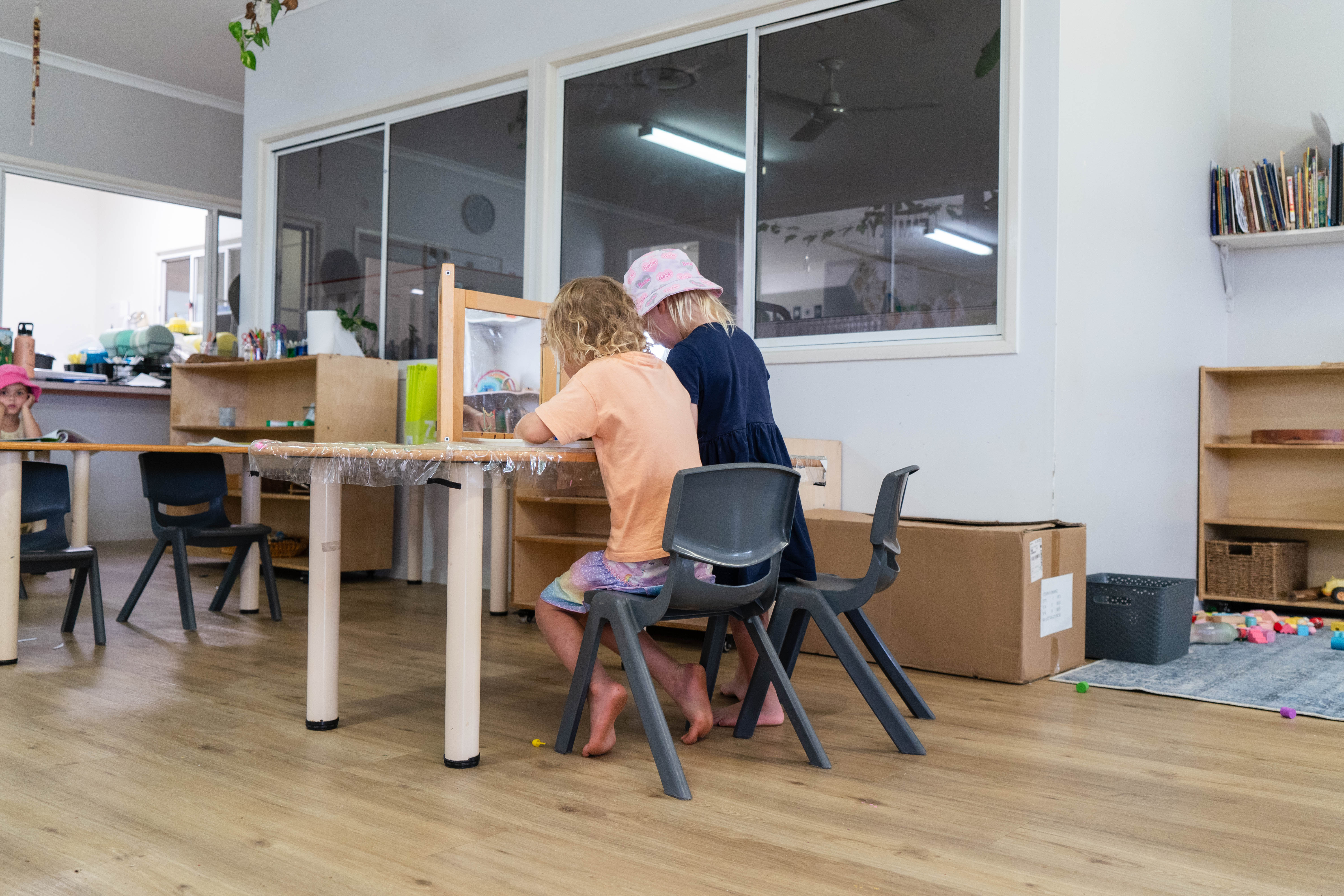
When children learn to notice and express thanks for the good things in their lives, they gain skills that last a lifetime. The practice of gratitude goes far beyond good manners—it helps build the foundation for emotional well-being and positive relationships.
Benefits of Gratitude for Young Hearts
Children who practice gratitude show remarkable growth in many areas of development. Their brains actually form different neural pathways when they regularly notice things to be thankful for.
Young children who practice gratitude tend to sleep better and show fewer signs of stress. One study found that kids who kept gratitude journals for just two weeks reported feeling happier and more satisfied with their school experiences.
The benefits extend to social skills, too. When children notice and appreciate what others do for them, they build stronger friendships. They become more aware of others’ feelings and needs, which leads to greater empathy and kindness.
Grateful children also bounce back faster from disappointments. Instead of dwelling on what went wrong, they can focus on what’s still good in their lives. This resilience serves them well throughout childhood and beyond.
Even academic performance improves with gratitude practice. Children who feel thankful tend to be more engaged in learning and show greater motivation to try new things.
How Gratitude Shapes Children’s Worldviews
The way children see the world forms early and stays with them for years. Gratitude helps shape this view in powerful ways.
When children practice looking for things to be thankful for, they develop what psychologists call an “abundance mindset.” Rather than focusing on what they lack, they notice all the good things they already have. This shift in perspective can change how they approach life’s challenges.
Children naturally tend to focus on themselves. This isn’t selfishness—it’s just where they are in development. Gratitude practices help them gradually shift their focus outward. They begin to notice how other people contribute to their happiness and well-being.
The stories we tell ourselves matter deeply. Children who practice gratitude tell themselves different stories: “People care about me,” “Good things happen in my world,” “I have what I need.” These internal messages build confidence and security.
Young children live mainly in the present moment. Gratitude practices help them pause and reflect, building their capacity for mindfulness. This skill helps them fully experience joy rather than always rushing to the next thing.
Practical Strategies for Teaching Thankfulness

Bringing gratitude into daily life doesn’t need to be complicated. Simple, consistent practices make the biggest difference in helping children develop thankful hearts.
Fun and Engaging Gratitude Activities
The Gratitude Tree stands as one of our favourite activities at Mount Coolum. We create a tree trunk on our wall and provide leaf-shaped papers. Children draw or tell us what they’re thankful for, and we add these leaves to our tree. Watching it fill with colourful expressions of thanks brings joy to everyone.
Photo hunts turn gratitude into an exciting game. Give children cameras or go on walks where they photograph things that make them happy or thankful. Later, create a display of these images and talk about why they chose each one.
Thankful rocks bring art and gratitude together. Children paint smooth stones with images or words representing things they appreciate. These can decorate your garden or be given as gifts to spread thankfulness.
Puppet plays offer a playful way to model gratitude. Use simple puppets to act out scenarios where characters help each other and express thanks. Children can then create their own gratitude stories with the puppets.
Gratitude jars create a visual reminder of good things. Decorate a clear jar together, then fill it with notes or drawings about things you’re grateful for. On tough days, reading these notes together can shift the mood completely.
Creating Daily Gratitude Rituals
Morning circle time provides a perfect opportunity to start the day with thankfulness. At Mount Coolum, we begin by asking, “What’s one thing you feel happy about today?” Even the youngest children can participate in their own way.
Mealtimes naturally lend themselves to gratitude practice. Before eating, take a moment to thank the people who grew, delivered, and prepared the food. This connects children to the wider community that supports them.
Transition moments work well for quick gratitude check-ins. When moving from one activity to another, ask children to share something they enjoyed or appreciated about what they just did.
Bedtime routines at home can include gratitude sharing. Parents tell us that asking “What made you happy today?” helps children settle and creates sweet moments of connection before sleep.
Outdoor time offers rich opportunities for nature-based gratitude. While playing outside, pause to notice beautiful clouds, interesting bugs, or the feeling of grass under bare feet. These moments help children connect with the natural world with appreciation.
Gratitude and the Early Years Learning Framework
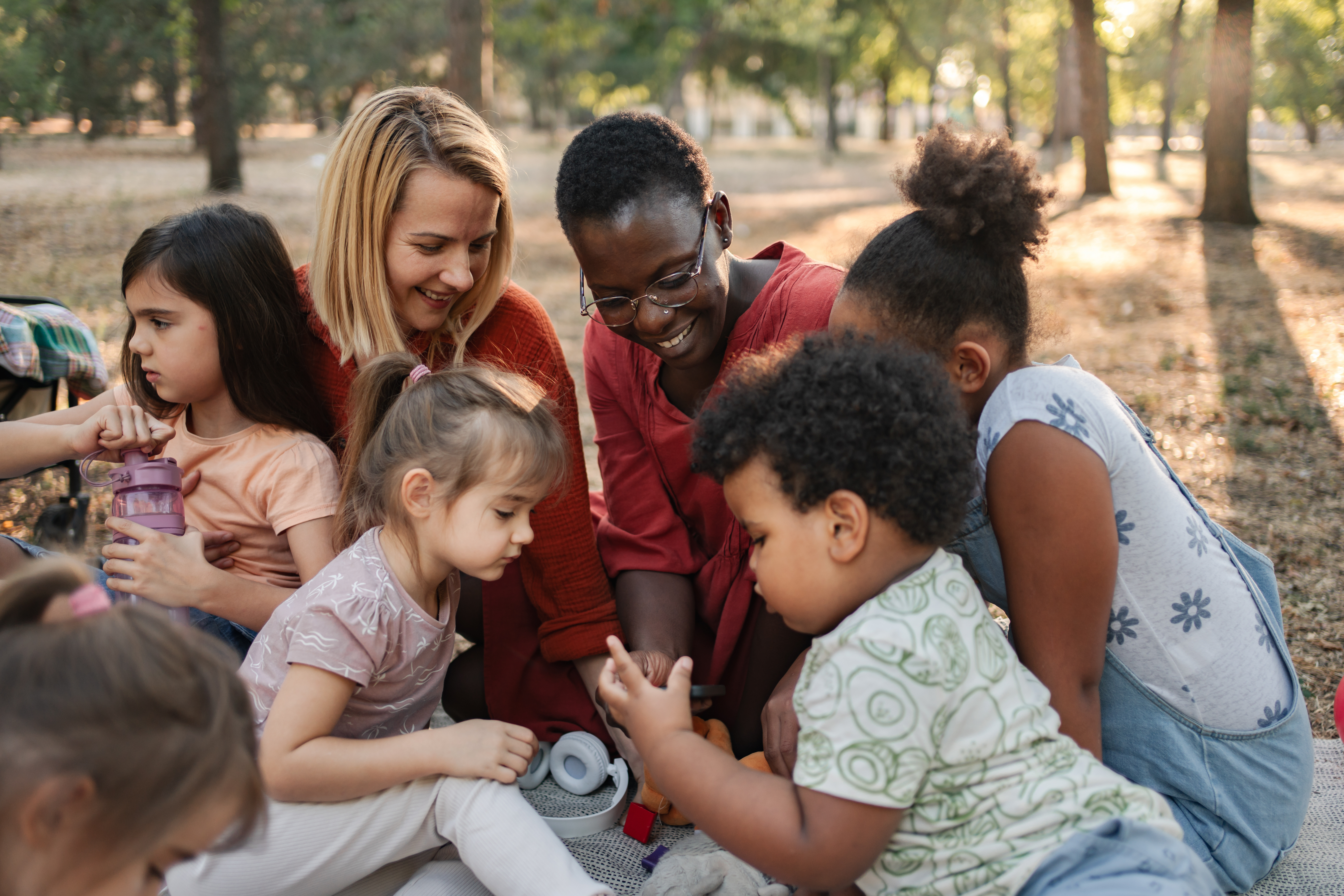
Teaching gratitude fits perfectly within Australia’s educational guidelines for early childhood. The practices we use support many of the key outcomes educators aim to develop in young children.
Aligning with EYLF Outcomes
The Early Years Learning Framework emphasizes building children’s sense of identity. When children notice and express what matters to them through gratitude practices, they develop stronger self-awareness and confidence.
Gratitude activities help children connect with their world, another key EYLF outcome. By noticing and thanking people in their community, children develop a sense of belonging and respect for others.
Wellbeing stands as a central EYLF goal. Research shows that gratitude practices significantly boost children’s emotional health, helping them manage feelings and build resilience.
The framework also focuses on developing confident learners. Gratitude builds a growth mindset where children feel safe trying new things because they can find value even in mistakes.
Communication skills grow through gratitude expression. Children learn to articulate feelings, listen to others, and use language for social connection—all vital EYLF communication outcomes.
Whole-Centre Gratitude Practices
At Mount Coolum Early Learning, gratitude extends beyond individual activities to shape our entire approach. Our educators model thankfulness throughout the day, showing children what gratitude looks like in action.
Family partnerships strengthen our gratitude focus. We share gratitude practices with parents through newsletters, take-home activities, and family events like our Mother’s Day celebrations where children express appreciation for family members.
Community connections provide rich opportunities for gratitude. We invite local helpers to visit our centre, and children create thank-you projects to show their appreciation. These experiences make gratitude concrete and meaningful.
Documentation panels throughout our rooms display children’s expressions of thankfulness. These visual reminders help everyone—children, staff, and families—notice and celebrate the good things in our shared life.
Staff meetings include gratitude sharing, ensuring that our team culture reflects what we teach the children. When educators practice gratitude themselves, it flows naturally into their interactions with children.
Teaching gratitude doesn’t require fancy materials or complex lessons—just a genuine commitment to noticing good things and expressing thanks. The simple practices we use at Mount Coolum Early Learning create an atmosphere where thankfulness becomes second nature, setting children up for happier, more connected lives.