


Welcome to Our Toddlers
Our Toddler program is committed to creating a nurturing environment where children aged 2 to 3 years can experience a sense of safety, security, and strong support while they cultivate confidence and independence in their emerging capabilities.
This is a magical time when your child is discovering their identity, testing boundaries, and developing essential life skills. We deeply respect the routines established by our families and work closely with them to create the best possible experience for our little ones.
Through play-based learning and responsive care, we support your toddler’s natural curiosity and help them navigate this exciting stage of development with confidence and joy.
Building Confidence
Celebrating every achievement, encouraging risk-taking in a safe environment, and fostering a “can-do” attitude.
Safety & Security
Creating a safe, predictable environment where toddlers feel secure to explore, learn, and develop at their own pace.
Growing Independence
Supporting emerging capabilities through self-help skills, decision-making opportunities, and age-appropriate responsibilities.
Family Partnerships
Respecting home routines, maintaining open communication, and working together to support your child’s development.
Developmental Focus Areas
Supporting your toddler’s growth across all developmental domains
🧠 Cognitive Development
- Problem-solving through play and exploration
- Early numeracy and literacy experiences
- Memory games and matching activities
- Cause and effect understanding
- Colour, shape, and size recognition
- Imaginative and pretend play
- Simple puzzles and sorting activities
🗣️ Language Development
- Vocabulary expansion through conversations
- Story time and interactive reading
- Songs, rhymes, and fingerplays
- Naming and describing objects
- Following simple instructions
- Expressing needs and feelings verbally
- Early pre-writing experiences
🤸 Physical Development
- Gross motor skills: running, jumping, climbing
- Fine motor skills: drawing, threading, manipulating
- Hand-eye coordination activities
- Balance and spatial awareness
- Active play and outdoor experiences
- Dance and movement activities
- Using tools and utensils
❤️ Social-Emotional Growth
- Developing friendships and peer interactions
- Understanding and expressing emotions
- Learning to share and take turns
- Building empathy and caring for others
- Managing big feelings and frustrations
- Developing self-awareness and identity
- Understanding social rules and boundaries


Fostering Independence & Self-Help Skills
A key focus of our toddler program is supporting children to develop confidence and independence in their emerging capabilities
Creative Arts
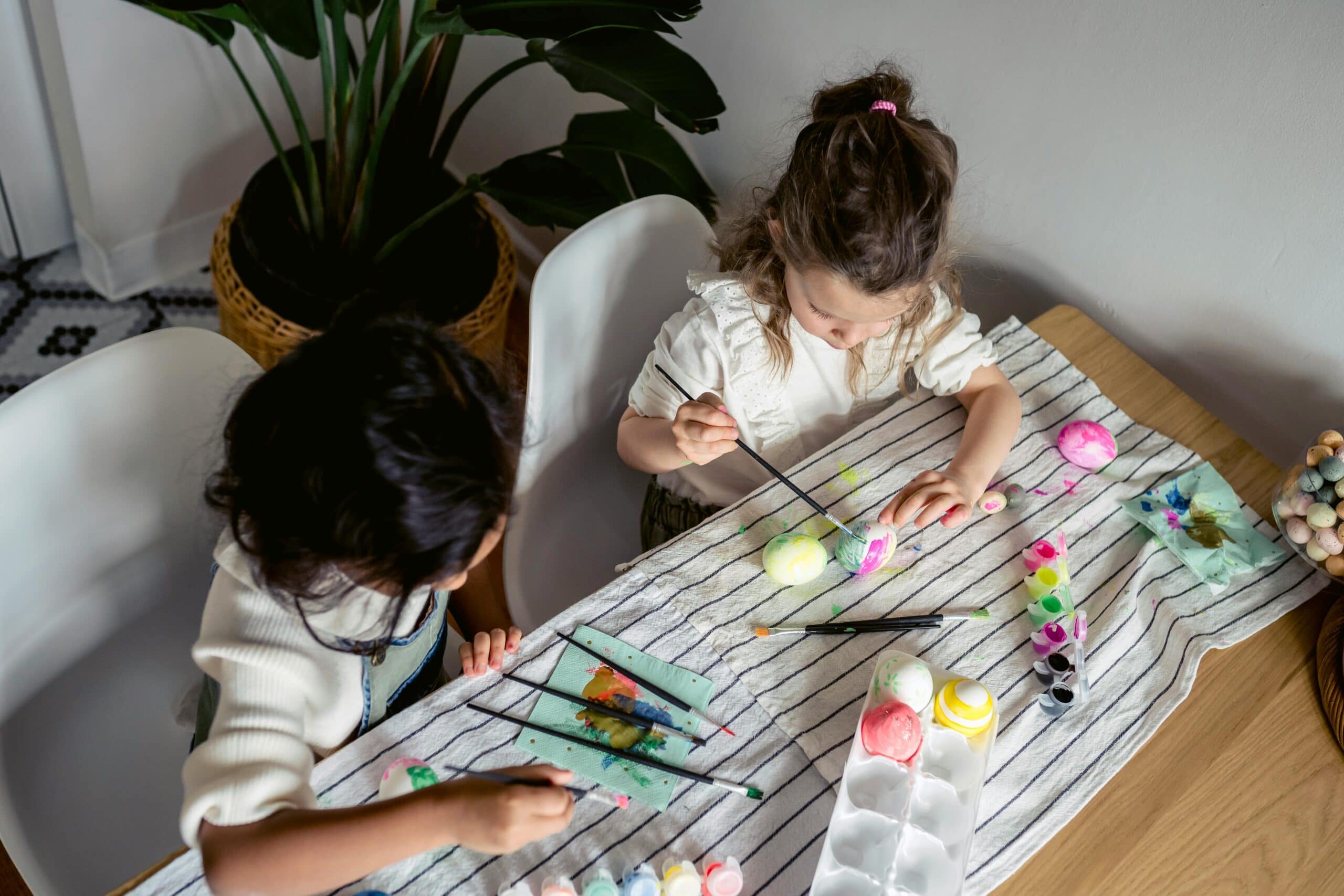
Painting, drawing, collage, playdough, and sensory art experiences that encourage self-expression and creativity.
DramaticPlay
Home corner, dress-ups, and role-play scenarios that develop imagination and social skills.
Sensory Play
Water play, sand exploration, sensory bins, and tactile experiences that stimulate learning through the senses.
Nature Exploration
Outdoor adventures, gardening, animal interactions, and discovering the natural world.
Music & Movement
Singing, dancing, musical instruments, and rhythm activities that develop coordination and expression.
Construction Play
Building with blocks, Lego, and other construction materials to develop problem-solving and spatial awareness.
Literacy Experiences
Story reading, book exploration, environmental print, and early mark-making activities.
Early Mathematics
Counting, sorting, patterns, measuring, and mathematical concepts are embedded in play.
Toilet Training Support
- Following home routines and cues
- Positive, pressure-free approach
- Celebrating successes
- Easy-access clothing
- Regular reminders and encouragement
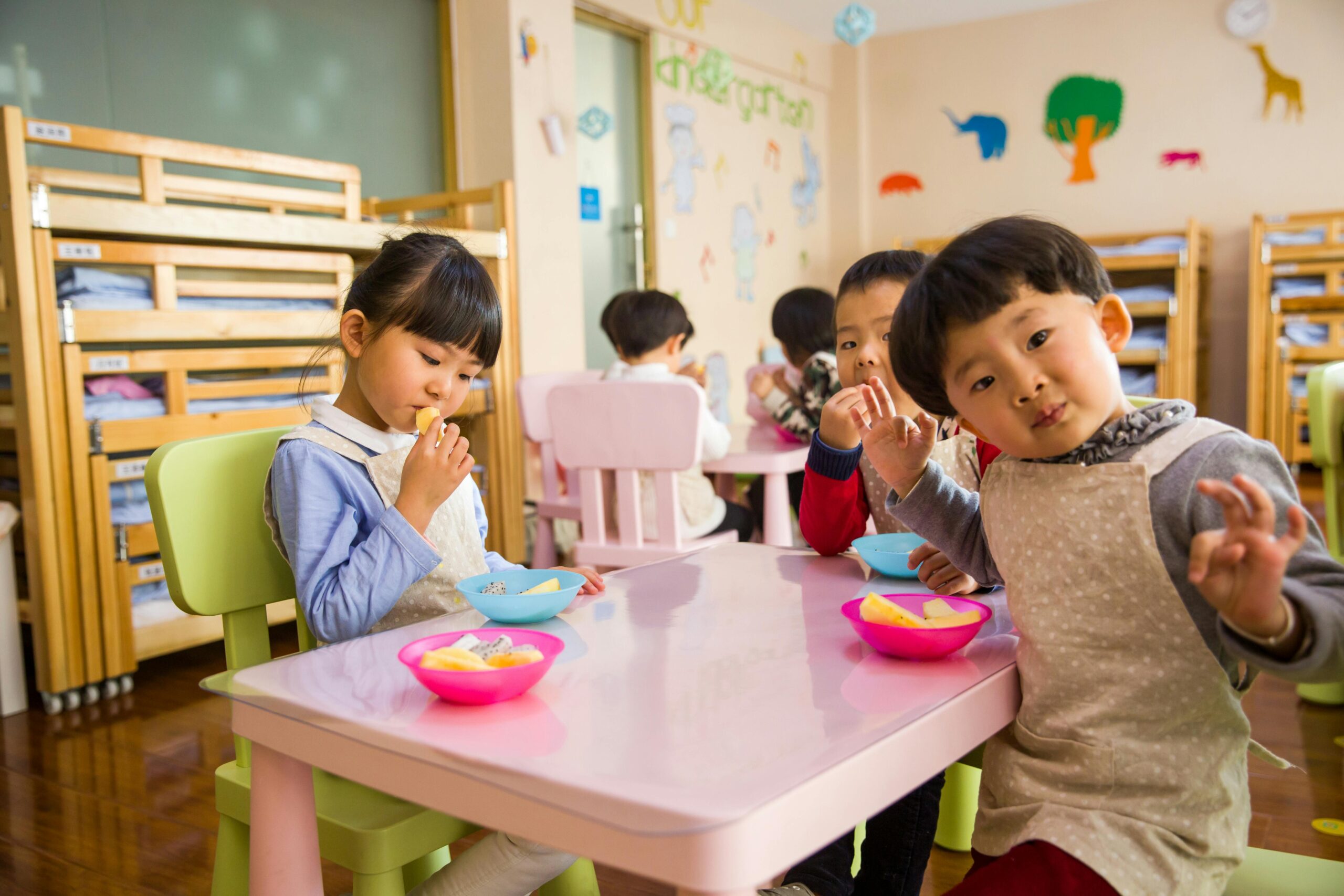
Mealtime Independence
- Using utensils appropriately
- Serving themselves
- Pouring drinks
- Cleaning up spills
- Washing hands before eating
Dressing Skills
- Taking shoes and socks on/off
- Attempting zippers and buttons
- Putting on hats and jackets
- Recognising own belongings
- Packing away items
Self-Care Routines
- Hand washing independently
- Wiping nose with tissue
- Applying sunscreen (with help)