
Growing Minds: How Movement Boosts Brain Development in Young Learners
In the bustling world of early learning, movement plays a crucial role in nurturing cognitive growth in children. As a child psychologist, I’ve seen firsthand how physical activity not only benefits and enhances motor skills but also boosts brain function, leading to marked improvements in memory, attention, and problem-solving skills. Encouraging a physically active lifestyle in nursery, toddler, and kindy settings can lay the foundation for a lifetime of learning and curiosity. With simple activities woven into daily routines, educators and parents alike can support an enriching environment that fosters holistic development in our young learners. Let’s explore the profound connection between movement and brain development, and how we can collectively champion the joy of active learning.

Movement is a fundamental aspect of early childhood development, playing a crucial role in shaping young minds. Let’s explore how physical activity influences brain development and the numerous benefits it offers to growing children.
Movement and Brain Development
The connection between movement and brain development is profound and multifaceted. Physical activity stimulates neural connections, enhancing overall cognitive function in young learners.
Research from recent studies shows that regular movement activates various brain regions, promoting the growth of new neurons and strengthening existing neural pathways. This process, known as neuroplasticity, is particularly important during the early years of life.
For children in nursery and kindy settings, engaging in physical activities can lead to improved learning outcomes. Activities that involve coordination, balance, and spatial awareness contribute to the development of critical thinking skills and problem-solving abilities.
Importantly, movement-based learning experiences help children better understand abstract concepts by providing concrete, physical representations. This hands-on approach to learning is especially beneficial for young minds still developing their cognitive abilities.
Physical Activity Benefits
The benefits of physical activity for young children extend far beyond just physical health. Regular movement contributes significantly to cognitive, emotional, and social development.
In early learning centres, incorporating physical activities into daily routines can help children develop better self-regulation skills. This improved emotional control can lead to more positive interactions with peers and adults.
Physical activity also boosts mood and reduces stress in children. Regular exercise releases endorphins, which can help young learners feel more positive and focused throughout the day.
Moreover, engaging in group physical activities fosters teamwork and social skills. Children learn to cooperate, take turns, and communicate effectively with their peers, all while enjoying the benefits of movement.
Lastly, physical activity plays a crucial role in maintaining a healthy weight and developing strong bones and muscles, setting the foundation for lifelong health and wellbeing.
Enhancing Cognitive Growth

Cognitive growth in early childhood is intricately linked to physical movement. By encouraging active play and structured physical activities, we can support the development of crucial cognitive skills in young learners.
Motor Skills Enhancement
Motor skills development is a cornerstone of early childhood education, playing a vital role in cognitive growth. These skills are broadly categorised into fine and gross motor abilities, each contributing uniquely to a child’s overall development.
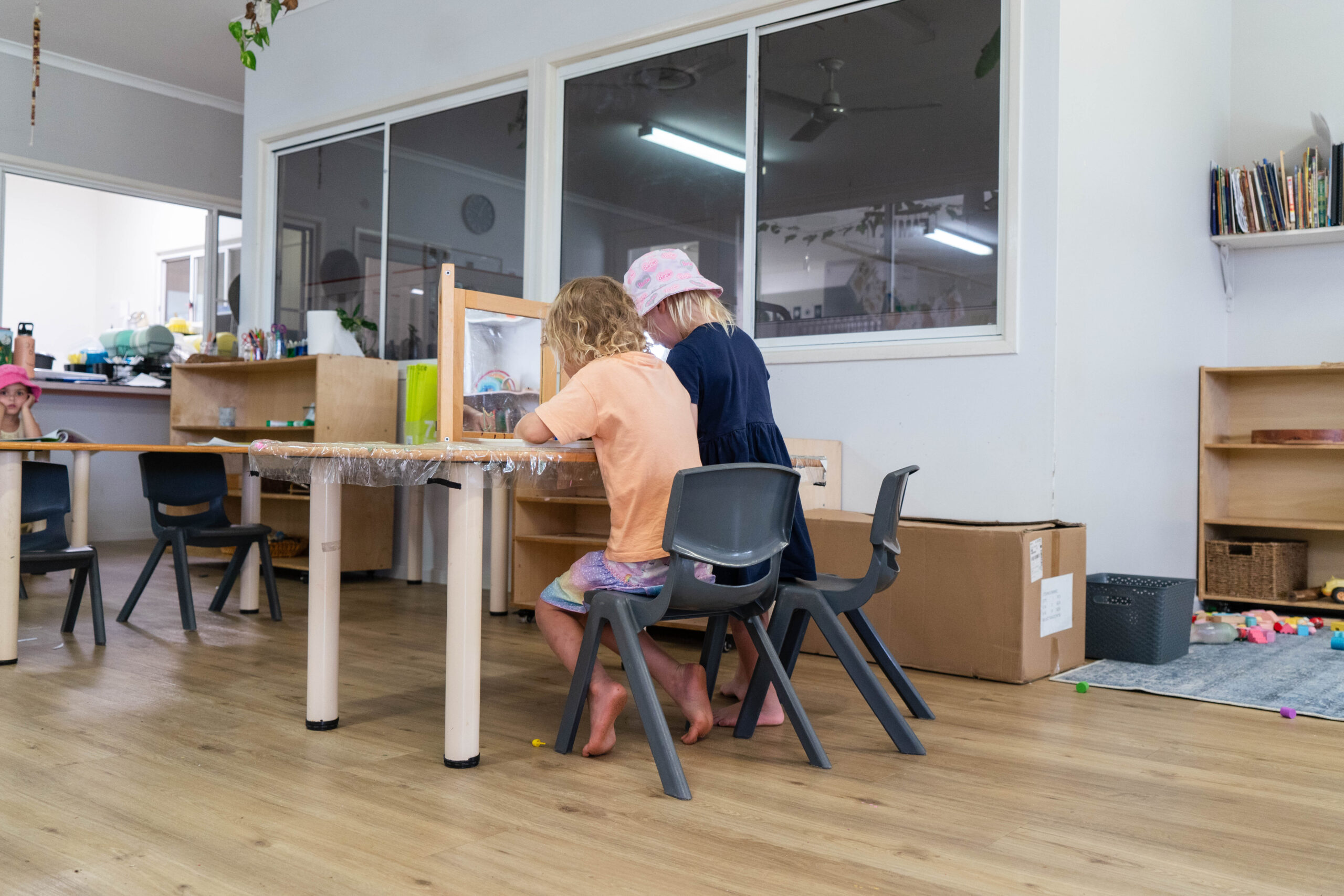
Fine motor skills involve the coordination of small muscles, typically in the hands and fingers. Activities like drawing, cutting with scissors, or manipulating small objects help refine these skills. At Mt Coolum Early Learning, educators incorporate these activities into daily routines to support fine motor development.
Gross motor skills, on the other hand, involve larger muscle groups and whole-body movement. Running, jumping, and climbing are examples of activities that enhance these skills. These movements not only improve physical coordination but also boost spatial awareness and body control.
Importantly, the development of motor skills has a direct impact on cognitive abilities. As children master new physical tasks, they simultaneously enhance their problem-solving skills, spatial reasoning, and self-confidence.
Memory Improvement
Physical activity has a profound impact on memory function in young children. Regular movement stimulates brain regions responsible for memory formation and retention, leading to improved cognitive performance.
Studies have shown that children who engage in regular physical activity demonstrate better working memory capacity. This enhanced memory function allows them to hold and manipulate information more effectively, a skill crucial for learning and problem-solving.
Kinesthetic learning, which involves physical movement in the learning process, has been shown to improve long-term memory retention. By associating physical actions with learning concepts, children can more easily recall information later.
Moreover, aerobic exercises increase blood flow to the brain, delivering more oxygen and nutrients. This improved circulation supports the growth of new brain cells, particularly in the hippocampus – a region crucial for memory formation.
Incorporating movement into learning activities, such as using gestures while learning new words or concepts, can significantly enhance memory recall in young learners.
Encouraging Active Lifestyles

Fostering an active lifestyle in early childhood sets the foundation for lifelong health and learning. By creating environments that encourage movement, we can support children’s holistic development and nurture their natural curiosity.
Problem-Solving Skills
Physical activities play a crucial role in developing problem-solving skills in young children. Through movement-based challenges, children learn to think critically and creatively.
Obstacle courses, for example, require children to plan their movements and overcome physical barriers. This process of navigating challenges translates into improved cognitive problem-solving abilities.
Team sports and group activities also contribute to problem-solving skills development. Children learn to strategise, make quick decisions, and adapt to changing situations – all valuable skills that extend beyond the physical realm.
Moreover, outdoor play encourages exploration and experimentation. As children interact with their environment, they naturally encounter problems to solve, fostering curiosity and analytical thinking.
Encouraging open-ended play allows children to create their challenges and solutions, further enhancing their problem-solving capabilities.
Boosting Attention Span
Physical activity has a significant impact on children’s ability to focus and maintain attention. Regular movement breaks can help improve concentration and cognitive performance in young learners.
Short bursts of physical activity, even as brief as 5-10 minutes, can help reset a child’s attention span. These ‘brain breaks’ allow children to return to tasks with renewed focus and energy.
Activities that require sustained attention, such as balancing exercises or following multi-step movement sequences, can help train children’s ability to concentrate for longer periods.
Outdoor play, with its varied stimuli and physical challenges, naturally engages children’s attention. This engagement can translate into improved focus during more structured learning activities.
Importantly, physical activity helps reduce restlessness and fidgeting in children, allowing them to better direct their energy towards learning tasks and improving their overall attention span.