STEM for Mums: Engineering Challenges with Family Themes
May at Mount Coolum Early Learning means one thing: little engineers are at work.
Just as our heart-shaped towers and bridges lit up February for STEM Sweethearts, this Mother’s Day we’re cranking up the challenge tables, dusting off the building trays, and setting our young engineers the most meaningful brief they’ve had all year:
Build something for the person you love most.
Mother’s Day falls on Sunday, 10 May 2026, and in the lead-up, our classrooms are buzzing with big questions, bold experiments, and the kind of focused, joyful problem-solving that only happens when a child is truly motivated. Because it turns out, wanting to make something wonderful for Mum is one of the most powerful engineering motivations there is.
Welcome to STEM for Mums — our Mother’s Day engineering challenge series, where family love meets science, technology, engineering, and mathematics in the most beautifully Mount Coolum way possible.
Why Engineering Challenges Belong at the Heart of Early Learning
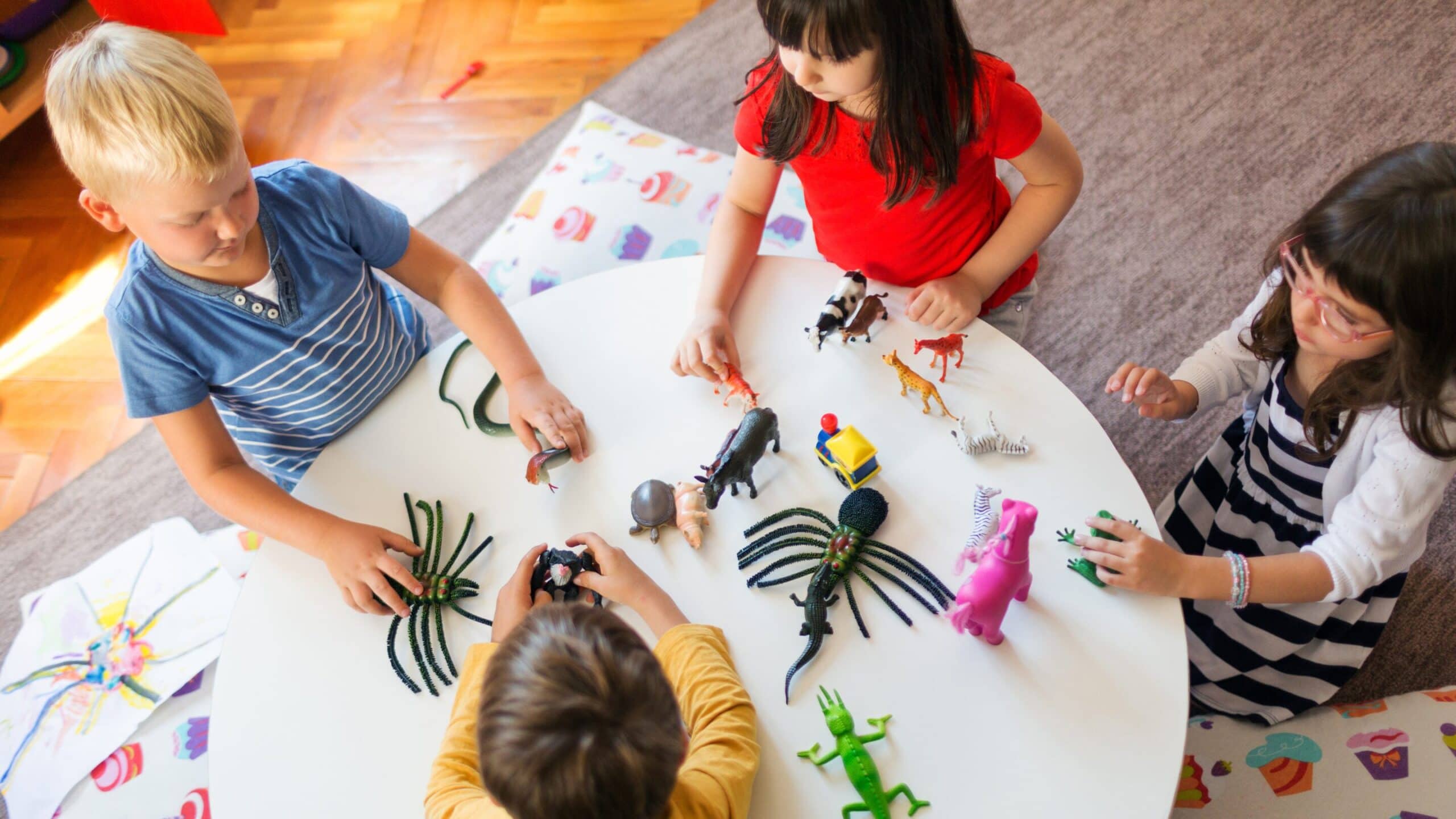
Before we dive into the challenges, let’s talk about what’s really happening when a three-year-old tries to build a tower of flowers that won’t topple, or figures out how to make a little boat that carries a note to “Mum” across the water tray.
Early Childhood Australia’s research identifies five key engineering behaviours that children naturally demonstrate through play:
- Asking questions or stating goals — “I want to make it taller than my arm!”
- Explaining how things work — “It keeps falling because the bottom is too small”
- Constructing things — building, stacking, joining, balancing
- Solving problems — rethinking, trying again, changing approach
- Evaluating their work — testing, comparing, deciding if it worked
Sound familiar? These are the same thinking processes that the Early Years Learning Framework (EYLF) V2.0 describes under Learning Outcome 4: children develop problem-solving, inquiry, experimentation, hypothesising, researching, and investigating. Engineering is not a separate “subject” — it is the natural language of curious, capable young children.
When we anchor engineering challenges to something as meaningful as Mother’s Day, the motivation is through the roof. Our children don’t just want to build — they want to build something worthy of their mum. And that desire to create something meaningful is one of the most powerful drivers of deep, lasting learning.
This May’s Engineering Challenges: The Brief
Every good engineering challenge starts with a brief — a clear problem to solve, a constraint to work within, and a meaningful reason to get it right. Here are the five Mother’s Day engineering challenges running in our rooms this May:
🌸 Challenge 1: The Flower Tower
The Brief: Build the tallest tower of flowers that can stand on its own — without falling over — so Mum can display it on her windowsill.
Materials: Cardboard tubes, recycled bottle caps, craft sticks, paper flowers, clay bases, and natural materials from our garden.
The Engineering: This is a structural engineering challenge at its most joyful. Children learn about base stability, centre of gravity, and balance — testing, adjusting, and testing again until their flower tower stands tall and proud.
The Sunshine Coast twist: We encourage children to use flowers pressed from our Nature Nurture garden — real blooms that reflect the natural beauty of the Sunshine Coast coastal environment right outside our door.
💌 Challenge 2: The Card Carrier
The Brief: Design and build a small carrier or envelope that can hold a Mother’s Day card without it getting crumpled or wet — because this card deserves to arrive in perfect condition.
Materials: Paper, tape, fabric scraps, cardboard, ribbon, buttons, and natural beeswax from our own beehive (for sealing).
The Engineering: This challenge explores materials science — which materials protect best? Which are waterproof? Which fold and hold shape? Children make predictions, test with a sprinkle of water, and discover that not all materials behave the same way.
The Mount Coolum magic: Using our own beeswax as a natural sealant connects this challenge directly to our Nature Nurture beekeeping program — and gives children a moment of genuine pride in how our centre’s garden contributes to something real and meaningful.
🏡 Challenge 3: Build Mum’s Dream Spot
The Brief: Think about where your mum loves to be most — the garden, the beach, the kitchen, a reading nook — and build it in miniature as a gift she can keep on her desk.
Materials: Loose parts, natural materials from our garden, sand, shells, fabric, small pebbles, driftwood, and clay.
The Engineering: This is design and spatial thinking at its best. Children must plan, visualise, select materials for purpose, and construct a small-scale environment — a challenge that develops spatial reasoning, representational thinking, and the creative problem-solving at the heart of both engineering and architecture.
The Sunshine Coast twist: Many of our families spend their happiest moments at the beach — and the Sunshine Coast coastline is right here. Children building a miniature beachscape with real sand, shells, and driftwood from our outdoor spaces are creating something that is genuinely, beautifully theirs.
🌉 Challenge 4: The Love Bridge
The Brief: Build a bridge strong enough to carry a small “love note” across the water tray from one side to the other — without getting wet.
Materials: Paddle pop sticks, straws, tape, cardboard, and fabric.
The Engineering: This classic engineering challenge — adapted with the most heartfelt motivation — introduces children to the principles of load-bearing, tension, and span. Can their bridge hold? Can they make it stronger? What happens when they change the design?
The EYLF connection: Children explain how things work, construct things, and evaluate their work. In a single challenge, children are problem-solving, communicating, testing hypotheses, and experiencing the deep satisfaction of making something that works.
🌻 Challenge 5: The Moving Garden
The Brief: Design a mini garden on wheels — a trolley, a cart, a rolling garden bed — so Mum can move her favourite plants from the sun to the shade without heavy lifting.
Materials: Cardboard boxes, wheels from toy sets, sticks, rope, small plant pots, and natural planting material from our garden.
The Engineering: This is mechanical engineering meets sustainable thinking. Children explore wheels, axles, weight distribution, and the practical problem of moving heavy things without effort — the very same challenge that led to one of humanity’s most important inventions.
The Nature Nurture connection: This challenge grows directly from our centre’s sustainability philosophy. Children who care for our garden, tend our beehive, and understand the living world are perfectly placed to design something that makes caring for plants easier, more joyful, and more connected to the natural environment they already love.
What Mums Can Do: STEM Engineering at Home on the Sunshine Coast
The engineering doesn’t have to stop at our gate. Here are five quick, fun, genuinely achievable STEM challenges to try at home this Mother’s Day — no special equipment required:
- Tower of Love — Challenge your child to build the tallest tower they can using only household materials: toilet rolls, boxes, books, cushions. Time them. Rebuild. Try a different approach. Ask: what makes it stronger?
- Ramp racing — Find a plank of wood, a hardcover book, or even a thick magazine and create a ramp. Test which objects roll fastest. Change the angle. Make predictions. This is physics, mathematics, and pure delight all at once.
- Floating flowers — Fill a bucket or tub with water and challenge your child to build a little boat from leaves, bark, and sticks that can carry a single flower without sinking. The Queensland Government encourages families to use natural outdoor environments for play and exploration — and this challenge does exactly that.
- Build Mum’s kitchen — Give your child a pile of cardboard boxes, some tape, and a brief: build the kitchen. Watch what they create. Ask questions. Then make something together in the real kitchen — because the best STEM learning connects to real life.
- The bridge picnic — On a beautiful Sunshine Coast afternoon, head to a local park or beach and challenge your child to build a small bridge between two rocks or logs using sticks, stones, and leaves found on site. Then spread a picnic blanket and celebrate the engineer who built it. 🧡
STEM, Mums, and the Village at Mount Coolum
At Mount Coolum Early Learning, we believe it takes a village to raise a child — and that village extends through our gate, into our garden, and out into the beautiful Sunshine Coast community surrounding us.
Mother’s Day is one of those moments when the village comes together. When mums bring children in early because they’re excited to show their educator what they built the night before. When grandmothers stop in for a peek at the morning challenge table. When our educators share a photo through Storypark that makes a mum smile at her desk, three suburbs away.
STEM for Mums isn’t just about engineering. It’s about showing the most important people in our children’s lives that learning here is joyful, purposeful, and deeply connected to the love that makes a family.
Because when your child hands you a slightly lopsided flower tower, a sealed beeswax envelope, or a miniature version of your favourite beach spot — built with their own hands and their whole heart — that is STEM at its finest.
That is the Mount Coolum Early Learning way.
Come and Build With Us
Enrolments are open for 2026. We’d love to show you our challenge tables, introduce you to our garden and beehive, and welcome your family into our village.
📍 30 Suncoast Beach Drive, Mount Coolum QLD 4573 📞 07 3063 3718 🌐 mtcoolumearlylearning.com.au 🕐 Open Monday – Friday, 6:30am – 6:00pm (Open 52 weeks a year, excluding public holidays)
Sources
The following Queensland-based and nationally recognised early childhood sources were used in the research and writing of this blog post. No other early childhood or childcare services have been cited as sources.
- Early Childhood Australia (The Spoke) – Young Children Are Little Engineers (And Why That Matters) earlychildhoodaustralia.org.au – Young Children Are Little Engineers — Published by Early Childhood Australia, Australia’s peak early childhood body, this article identifies the five key engineering behaviours children naturally demonstrate in play, and maps them to EYLF V2.0 Learning Outcomes 4 and 5.
- Queensland Government – Early Childhood Education qld.gov.au – Early Childhood — Queensland Government information on the Early Years Learning Framework (EYLF V2.0), Queensland Kindergarten Learning Guidelines, and play-based and inquiry learning approaches in Queensland early childhood education.
- Queensland Government – Resources for Parents and Families qld.gov.au – Resources for Parents — Queensland Government guidance for families on supporting early development through everyday activities, outdoor play, and hands-on exploration at home.
- Queensland Department of Education – Early Childhood Educators’ Day 2025 earlychildhood.qld.gov.au – Early Childhood Educators’ Day — Information on the role and recognition of Queensland early childhood educators, including the trust families place in educators and the importance of intentional, play-based learning programs.
- Nature Play QLD – About Nature Play natureplayqld.org.au – About Nature Play — Queensland Government-supported research on the cognitive, social, and physical benefits of unstructured outdoor play, including the role of loose parts and child-led investigation in building scientific and creative thinking.
- Early Childhood Australia – Queensland Committee earlychildhoodaustralia.org.au – Queensland Branch — Queensland’s peak advocacy body for early childhood education and care, providing research and resources on STEM, play-based learning, and intentional teaching in early childhood settings.
- Sunshine Coast Gallery (Sunshine Coast Council, QLD) – The Impact of Art on Children’s Development gallery.sunshinecoast.qld.gov.au – The Impact of Art on Children’s Development — A Sunshine Coast Council cultural institution resource on how open-ended creative and investigative experiences — including engineering design — support cognitive, motor, and emotional development in young children.
Mount Coolum Early Learning is a proud Sunshine Coast early learning centre dedicated to real play, genuine connection, and the belief that it takes a village to raise a child. We welcome children from birth to school age and are open Monday to Friday, 6:30am to 6:00pm, 52 weeks a year. To arrange a tour or enquire about enrolment, contact our team today — we’d love to welcome your family into ours.